

The Tox'd Blog: Your Guide to Botox Treatments & Aesthetic Care
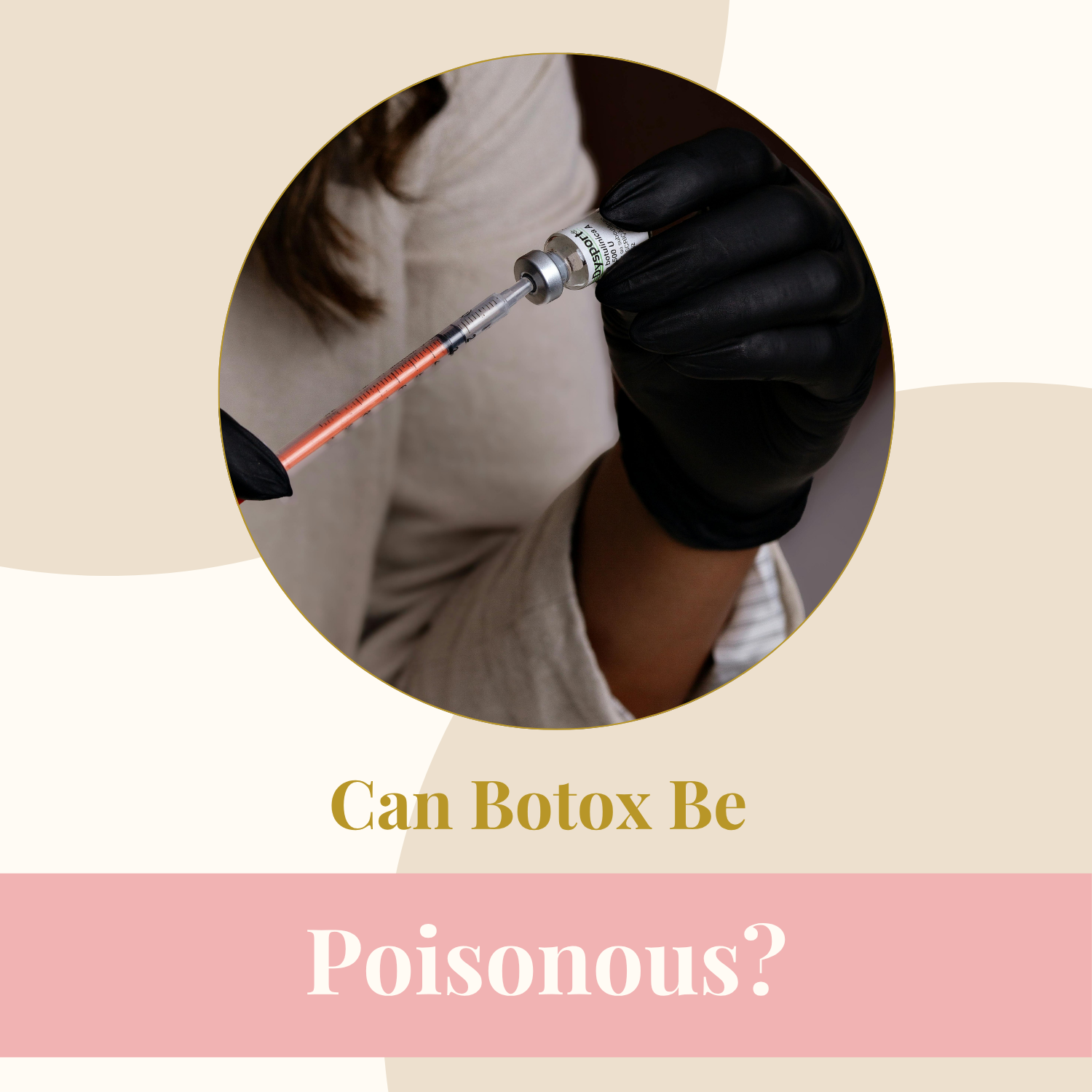
Can Botox Be Poisonous?
Curious whether Botox can be poisonous? This science-based overview explains how Botox is derived, why it’s safe in controlled medical doses, and what decades of clinical research say about its safety profile. You’ll learn the difference between the toxin in nature and the purified, micro-dosed version used in aesthetic treatments, along with the rare situations where Botox can be risky. Perfect for educating clients who want reassurance about safety and proper injection practices.
Can Botox Cause Cancer?
Learn the truth about whether Botox can cause cancer with a clear, research-backed explanation of its long-term safety. This overview breaks down what Botox is made of, how it behaves in the body, and what major studies have confirmed—there is no evidence linking Botox to cancer. With decades of FDA approval and millions of safe treatments performed worldwide, this guide helps readers feel confident, informed, and reassured about choosing Botox when administered by qualified professionals.
Understanding Botox Resistance vs Immunity
Learn the difference between Botox resistance and Botox immunity with a clear explanation of how the body develops antibodies to certain neurotoxins, why this can reduce treatment effectiveness over time, and how switching to a purer formula like Xeomin can help prevent these issues. This overview breaks down why some products carry a higher risk of antibody formation, what research shows about long-term use, and how to maintain consistent, reliable results with the right injectable strategy. Perfect for readers exploring advanced tox concepts or considering a switch to a cleaner, low-resistance option.
How to Prepare for Your Botox Treatment
Get a clear, easy-to-follow guide on how to prepare for a Botox appointment to ensure smoother results, fewer side effects, and a more comfortable experience. This overview highlights the most important steps—avoiding blood thinners, staying hydrated, skipping alcohol, pausing skin treatments, arriving with clean skin, and communicating your goals clearly. It also explains why choosing a skilled injector matters, how medical history impacts treatment safety, and what to expect in the days after your appointment. A helpful, science-supported resource for anyone considering Botox and wanting to get the best outcome from their treatment.
Humanize 104 words
What NOT to Do After Botox Injections?
Get a clear rundown of what not to do after Botox so your results settle smoothly and last as long as possible. This guide highlights the key mistakes to avoid—lying down too soon, touching the injection sites, working out, drinking alcohol, exposing your skin to heat, scheduling facials too early, or expecting instant results. It also explains why proper aftercare matters, how heat, pressure, and circulation can affect toxin placement, and when side effects require attention. A simple, science-supported checklist to help anyone protect their Botox investment and enjoy a more balanced, refined outcome.
Get the Most Out of Your Botox
Discover how to get the most out of your Botox treatments with a clear, research-backed guide covering what Botox is, how it works, and the key steps that help you prepare, care for, and maintain your results. This overview explains the science behind wrinkle relaxation, the importance of pre-treatment habits like hydration and avoiding blood thinners, and the essential post-care guidelines that keep your results smooth and long-lasting. It also highlights how consistent treatments lead to better muscle training over time and why choosing skilled injectors makes all the difference. A simple, informative breakdown for anyone wanting Botox that looks natural, lasts longer, and works with their beauty goals.
How Long Do Tox Results Really Last
Understanding how long your Tox results last comes down to more than just the product—it’s about muscle strength, metabolism, lifestyle, technique, and the formula chosen. Most people enjoy smooth, visible improvement for 3–4 months, with studies showing peak satisfaction within the first 2–6 weeks and gradual fading around the 12–16 week mark. Factors like strong facial muscles, fast metabolism, intense workouts, and lower doses can shorten longevity, while consistent treatment cycles can help results last longer over time as muscles adapt. With expert placement, strategic dosing, and the right product—Botox, Xeomin, or Dysport—you can maintain natural, long-lasting results. A simple, science-backed explanation for clients wanting to understand how long their Tox really lasts.
When Will I See Results After My Tox Treatment?
Getting a handle on when to expect Tox results to kick in really helps people plan and manage their treatment timeline. Most clients start to notice their skin looking a bit softer around Days 2-4, and then the really visible changes tend to show up around Days 5-7 with those expression lines starting to smooth out. Typically, by around Days 10-14, your forehead, those crow's feet, or frown lines are looking remarkably refreshed without that 'frozen' look. But - and this is where it gets a bit tricky - it really does vary from person to person, depending on things like what product has been used, the strength of your muscles, your metabolism and how skilled the injector is. That being said, being consistent with your aftercare routine and getting in for regular touch-ups really does help get the best out of the treatment. Here's a rough guide to what to expect in the days following treatment and how to make the most of your results.
Is Botox Safe Here’s What the Science Really Says
Understanding the Safety of Neuromodulators - One of the Main Concerns for Many Clients
When it comes to neuromodulators, there's always a lot of anxiety and questions from clients, whether they're a complete newbie to the world of aesthetic treatments, or a dedicated fan of smoother, fresher looking skin. And rightly so - after all, they are playing around with your face. But the good news is that clinical research has shown time and time again that Botox, and similar products like Xeomin and Dysport, are remarkably safe if done by a trained professional. We're talking decades of being FDA-approved here, with all that comes with that - heaps of studies, millions of injections every single year with an impressive safety track record. And if you do experience some side effects - minor swelling, slight bruising or maybe a temporary headache - don't panic, these are all relatively rare and will resolve themselves in no time. In fact, long-term studies on healthy adults have shown there's no negative impact from these treatments. Now of course, having a licensed injector with proper anatomical knowledge and strict adherence to sterile technique is going to make things even safer still. Choosing someone with experience ensures you get the right amount of product, a look that's completely natural, & cuts the risk of problems down to almost zero. When there are specific medical conditions to consider - pregnancy and breastfeeding, or let's say, serious muscle conditions - we need to do a proper screening. But for most clients, they can breathe a sigh of relief. The thing is, science really does back up the safety record of these treatments - as long as they're done properly of course - and working with a pro is going to give you the best possible start.
Botox Resistance vs Immunity What’s the Difference?
It’s normal for clients to wonder why their usual results don’t last as long or why their expressions aren’t softening the way they used to. In aesthetics, this concern typically comes down to two possibilities: resistance or true immunity. Resistance is more common and doesn’t involve the immune system at all—it's often the result of under-dosing, muscle strengthening over time, or inconsistent treatment intervals. Immunity is much rarer and occurs when the body forms antibodies that block the product from working altogether. Studies show that only a small percentage of patients develop antibody-related treatment failure, and this happens far more often in high-dose medical use than in cosmetic treatments. Different formulations can also play a role, with some people responding better to purified options like Xeomin. When results fade, evaluating dose, technique, product choice, and treatment timing helps determine the real cause. Sometimes switching brands restores full effectiveness; other times, spacing treatments appropriately keeps everything working smoothly. With expert assessment and a tailored plan, it’s completely possible to get back to predictable, long-lasting results.
What Areas Can Be Treated with Botox
Botox is truly one of the most versatile and adaptable treatments in modern aesthetics, offering benefits that extend far beyond simply softening a few lines. While it’s fantastic for smoothing common areas like forehead creases, the "11s" between the brows, and the delicate eye area, it can also be used to refine your chin, subtly slim the jawline for a more sculpted look, relax prominent neck bands, and beautifully treat concerns like bunny lines and a gummy smile. This remarkable range of uses is backed by extensive research that consistently shows high satisfaction and very natural-looking outcomes when the treatment is performed by trained medical professionals. Beyond aesthetics, Botox is also a proven medical tool, offering significant, long-term relief for conditions like chronic migraines, painful jaw tension (TMJ), and excessive sweating. Because every face and body is unique, personalization is paramount: your muscle strength, expression habits, and anatomy all determine the exact dosage and placement needed to create the most balanced, flattering, and harmonized results. Whether you're considering your first treatment or exploring advanced options, a customized consultation ensures you safely and consistently achieve the maximum benefit.
At What Age Should I Start Botox?
Deciding when to start neuromodulator treatments (like Botox) isn't about hitting a specific age—it's about how your unique skin and muscles behave. These treatments work by gently relaxing overactive muscles, which is a powerful way to stop expression lines from evolving into deep, permanent wrinkles. You might consider starting with small, strategic doses in your late 20s to get ahead of those initial expression lines, or in your 30s to blend early correction with prevention as fine lines begin to settle. The great news is, it's truly never too late to start: clients beginning in their 40s, 50s, and beyond still see highly noticeable results, enjoying smoother texture and a refreshed look, backed by decades of strong safety data. Because your movement patterns, lifestyle, and wrinkle type are all unique, the key is a customized evaluation. A personalized plan helps us decide the perfect timing and dosage for you, confidently balancing your natural expression with your long-term skin health goals.
How to Get the Best Results from Botox, Xeomin, or Dysport?
To get the most out of your neuromodulator treatments, the secret lies in consistency and smart habits, starting well before your appointment and continuing afterward. Matching the right product to your goals, staying faithful to your schedule, and following simple pre- and post-care instructions are key to achieving smooth, natural, and long-lasting results. Simple steps like avoiding alcohol and blood-thinning supplements beforehand, remaining upright and skipping exercise for the first 24 hours, and timing your visit two weeks before major events help the product settle perfectly. Clinical evidence supports the value of routine visits every three to four months, as this consistency can actually train your muscles to relax more efficiently over time, helping your results last longer. Additionally, maintaining a healthy lifestyle, including proper hydration and good skincare, helps support your outcomes. Most importantly, partnering with a highly skilled medical injector ensures precise, anatomical placement for natural movement and safety, making your treatments work better, look better, and last longer with every session.
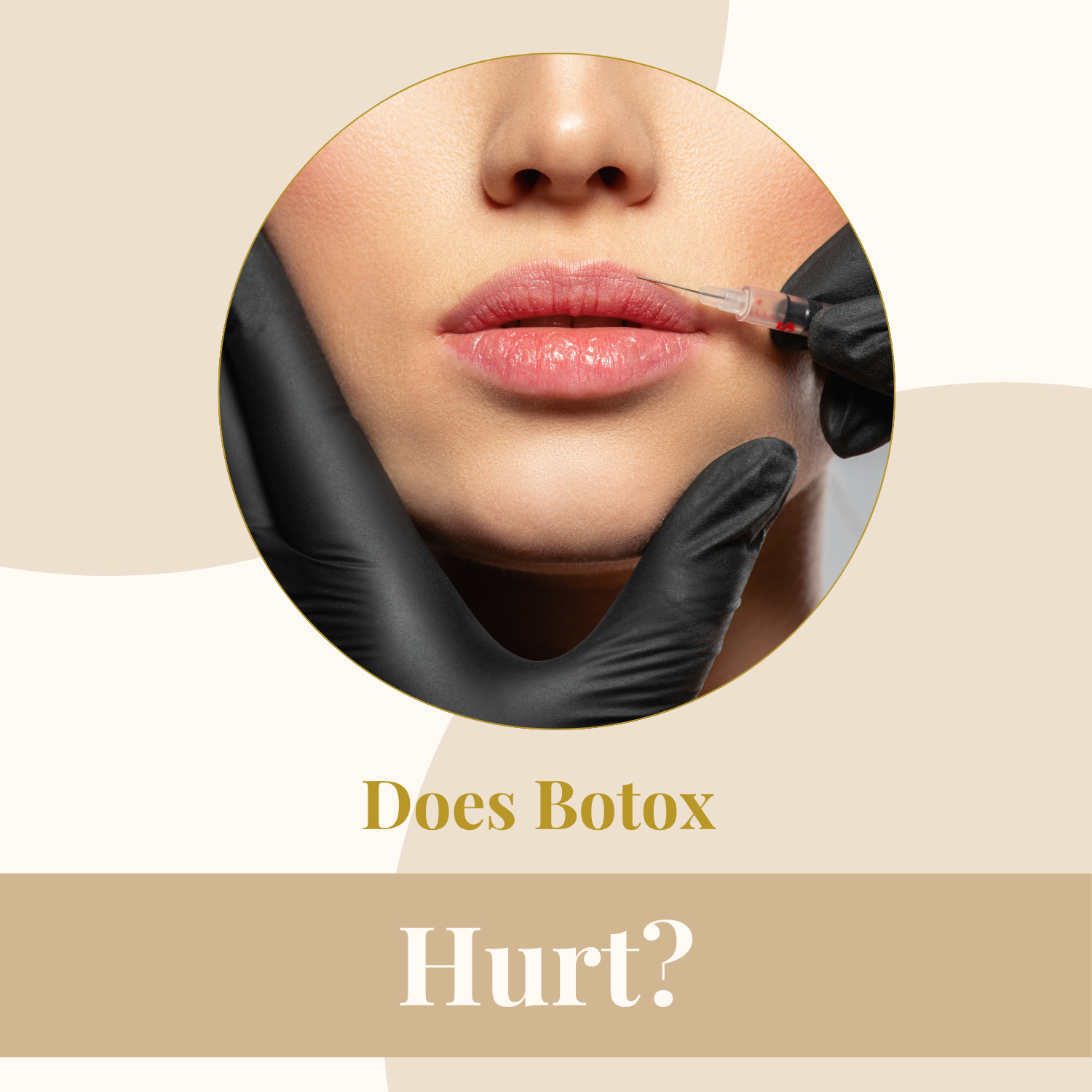
Does Botox Hurt? What First-Time Patients Should Know
If you are new to neuromodulators, it's completely normal to worry about the pain, but the good news is that most people are genuinely surprised by how fast and comfortable the process is! Clinical studies confirm that the majority of first-time patients describe the sensation as nothing more than a tiny, momentary pinch, far milder than getting a standard vaccine or even waxing. This ease is thanks to ultra-fine needles, very shallow placement, and a rapid injection technique, consistently ranking toxin injections as one of the least painful aesthetic treatments available. In practice, the session is over in minutes, and any sensation is gone almost instantly. For extra peace of mind, comfort enhancers like topical numbing or cooling, combined with the steady, experienced hand of your injector, make the experience even smoother. There is typically no lingering discomfort, allowing you to return to your normal routine immediately. With the right technique and the right provider, getting a refreshed look truly doesn't have to hurt.
Does Botox Have Side Effects?
Feeling confident about your neuromodulator treatment (whether it's Botox, Xeomin, or Dysport) means knowing what to expect, and that includes understanding potential side effects. Current research confirms that most reactions are incredibly mild and temporary, usually just light redness, tiny bumps, or slight tenderness that disappear within minutes to hours. Less common reactions, like mild headache or small bruises, are typically minor and completely reversible, often resolving within a few days. Very rare side effects, such as eyelid heaviness or flu-like symptoms, happen in a tiny percentage of patients and generally clear up within a few weeks. Crucially, studies consistently prove that serious complications are extremely uncommon when cosmetic doses are administered by trained medical professionals. You can significantly reduce your minimal risk by following simple preparation steps, being open with your provider about your health, and sticking to aftercare like avoiding pressure and strenuous activity for the first day. By choosing FDA-approved products and medically trained injectors who prioritize safety, you put yourself in the best position to enjoy a smooth, predictable, and reassuring experience.
Will Botox Make My Face Look Frozen?
It is completely normal to wonder whether a neuromodulator treatment will make your face look stiff or expressionless, but please be reassured: that "frozen" look is not the standard when treatments are done correctly. An unnatural appearance usually comes from excessive dosing or poor placement that accidentally over-relaxes key expression muscles. Modern aesthetic techniques focus on subtle muscle softening, not total paralysis, meaning you can still animate and express yourself naturally while simply smoothing out the lines that form with movement. Clinical research strongly supports this approach, showing that individualized dosing based precisely on your muscle strength and facial anatomy dramatically reduces the risk of an unnatural result. By using precise placement, conservative starting doses, and a plan tailored to your natural expression patterns, the goal is always refinement, not rigidity. You can confidently maintain full emotional movement while achieving a more relaxed, refreshed look, ensuring you still feel and look completely like yourself—just smoother and more rested.
Everything I Wish I Knew Before Getting Botox for the First Time
If you are considering your first neuromodulator treatment, it's normal to feel excited yet a little unsure, so here are the essential insider tips most people appreciate knowing beforehand. First, understand that results are not immediate: the treatment needs several days to start working, and you will see the full, beautiful effect settle in after about two weeks. Second, the sensation as your muscles begin to relax will be subtly different—not uncomfortable, just a gentle, softened feeling that confirms the treatment is underway. Aftercare is absolutely crucial, so make sure to avoid lying down, skip strenuous exercise and heat exposure, and hold off on facials or pressure on the treated area for the first day or two to ensure the product settles perfectly. Finally, the most vital step is choosing a skilled medical injector; a great provider will thoroughly evaluate your unique anatomy and goals, guiding you through thoughtful dosing and customized placement for natural, balanced results. Since the effects typically last three to four months, you'll likely want to return because of how refreshed and confident you feel once the full benefits kick in. With the right preparation and a trusted expert, your first session will be a smooth, predictable, and empowering experience.
Botox Do’s and Don’ts: What You Should Know Before & After Treatment
Understanding the essential do’s and don’ts before and after a Botox session can make a major difference in how your results turn out. This guide breaks down simple, practical steps to follow—from eating light and arriving with a clean face to avoiding blood-thinning supplements, skipping makeup, and finishing your workout ahead of time. It also explains what to expect after treatment, including staying upright, being gentle with your skin, avoiding heat or strenuous exercise, and giving the product time to settle. These small habits help minimize side effects, support smooth healing, and ensure your results develop evenly. A clear, easy reference for anyone preparing for a Botox appointment and wanting the best possible outcome.