

The Tox'd Blog: Your Guide to Botox Treatments & Aesthetic Care
Why Crow’s Feet Appear Early And How to Prevent Them Before They Set In?
Caught your reflection and noticed tiny lines fanning out from your eyes? You aren’t alone. Crow’s feet are often the first sign of aging to appear, frequently surprising people in their late 20s or early 30s. But these lines don't have to be permanent. In this guide, Get Tox’d breaks down the difference between dynamic and static wrinkles, the daily habits that may be aging your eyes, and how smart prevention—from lifestyle tweaks to 'Baby Botox'—can keep you looking bright and confident.
Understanding Wrinkles: Static vs. Dynamic & How Botox Really Works
Not all wrinkles are created equal. If you’ve noticed some lines only appear when you smile while others seem permanently etched, you’re seeing the difference between dynamic and static wrinkles. Understanding this science is the secret to achieving truly natural-looking results. In this guide, we go beneath the surface to explain how Botox works, why it's a powerhouse for prevention, and why the most effective anti-aging plans look at the skin from the inside out.
How Does Botox Treat Medical Conditions?
Botox is widely known for cosmetic treatments, but its medical applications go far beyond aesthetics. FDA-approved and backed by decades of research, medical Botox works at the nerve level to calm overactive signals responsible for conditions like chronic migraines, excessive sweating, and muscle spasms. By targeting the source of these symptoms, Botox offers effective, long-lasting relief without the need for daily medications.
Does Starting Botox Early Mean You’ll Need It Forever?
One of the biggest myths about Botox is that starting early means you’ll be stuck needing it forever. At Get Tox’d, we want you to know that’s simply not true. Research shows Botox doesn’t cause dependency or worsen wrinkles if you stop; instead, it can help slow wrinkle formation and support natural results when used thoughtfully. Whether you start in your 20s or 40s, the decision should be about your goals and comfort, not pressure or age. Our approach is always personalized, science-based, and focused on your unique needs. Ready to learn more? Book a consultation with our expert nurses today.
Why Botox Results Don’t Appear Instantly?
Ever wonder why you don’t see results immediately after your Botox appointment? At Get Tox’d, we get this question all the time. The answer lies in how Botox works beneath the surface—relaxing muscles gradually for the most natural, lasting results. While it might be tempting to want instant changes, research shows that patience pays off: your best results unfold over the first two weeks, ensuring your expressions stay soft and your outcome looks effortlessly refreshed. Trust the process, your transformation is happening, even if you can’t see it right away.
How Botox Stays Safe Over Time: Dosing, Timing & Technique Matter
Is long-term Botox safe? The answer lies in the strategy, not just the syringe. At Get Tox’d, we believe safety is built on three pillars: thoughtful dosing, precise timing, and expert technique. In this guide, we break down why waiting 12 weeks between sessions is crucial, how to avoid the "frozen" look, and why your lifestyle habits play a bigger role in your results than you might think. Read on to learn how to prioritize your health while achieving your aesthetic goals.
What Affects Your Botox Results? (8 Surprising Factors Beyond Immunity)
Botox results aren’t just about the product—they’re influenced by your lifestyle, habits, and how your facial muscles move every day. Factors like stress, sleep quality, intense workouts, jaw clenching, and even inconsistent treatment timing can affect how long your Botox lasts and how natural it looks. Understanding these surprising influences helps you get more consistent, longer-lasting results with every treatment.
Is Botox Toxic to the Body? What Really Happens After It’s Injected
Worried about whether Botox is truly safe for your body? You’re not alone, and at Get Tox’d Houston, we believe you deserve honest, science-backed answers. Botox is highly purified, used in tiny, controlled doses, and stays right where it’s injected—never traveling through your body or building up over time. With decades of research and FDA approval, Botox is considered very safe when administered by licensed professionals. Our team is here to guide you with facts, not hype, so you can feel confident in your decision. Still have questions? Book a free consultation and let us walk you through it, step by step.
What Does Botox Feel Like? Sensations, Aftercare, and What’s Normal
Curious about what Botox actually feels like? At Get Tox’d Houston, we believe in transparency—so here’s exactly what to expect. Most people describe Botox injections as a quick pinch or a tiny prick that’s over in seconds, with the whole appointment lasting just 10–15 minutes. Afterward, you might notice mild tightness or tiny bumps that fade quickly, but discomfort is minimal and brief. As the results develop over the next week, you’ll start to feel smoother, more relaxed, and refreshed—never heavy or frozen. Our experienced injectors use gentle, precise techniques to ensure your experience is as easy and natural as possible. Still have questions? Book a free consultation and let us walk you through every step, no pressure, no surprises, just honest answers and real results.
How Do I Know If Botox Is Right for Me?
Not sure if Botox is the right choice for you? Learn the key signs you're a good candidate, what concerns Botox can address, and how to make an informed decision about your first treatment. We break down age considerations, realistic expectations, safety factors, and cost—so you can decide with confidence. At Tox'd, we believe in transparent guidance and natural results that keep you looking like you.
What Should I Expect During a Botox Consultation?
A Botox consultation at Get Tox’d is a personalized, medical-led evaluation focused on education, facial assessment, transparent pricing, and treatment recommendations tailored to your goals. Whether you want wrinkle prevention, cosmetic improvement, or functional relief, our licensed injectors review muscle movement, explain Botox versus filler, address concerns, and guide you through preparation—without pressure or surprise costs.
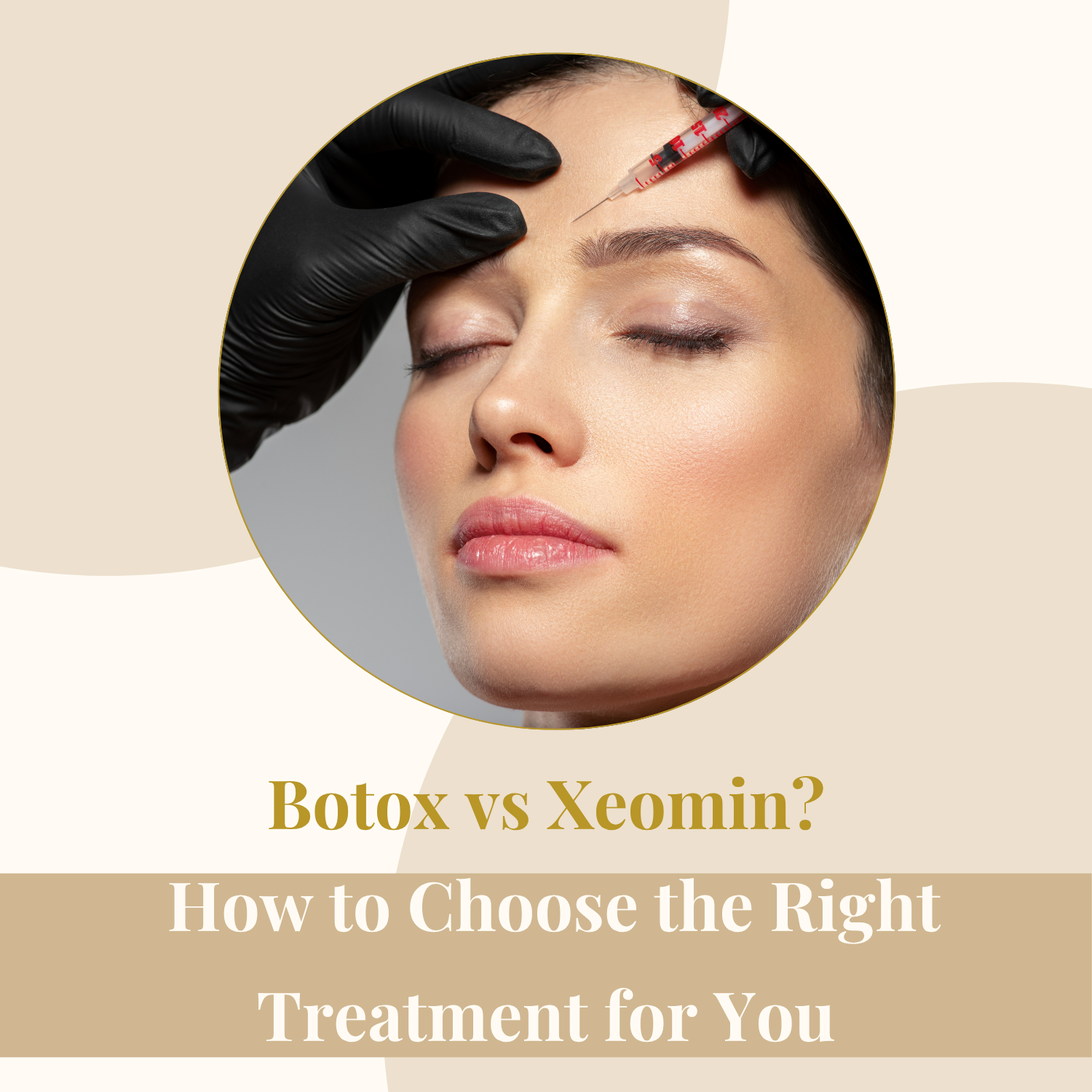
Botox vs Xeomin? How to Choose the Right Treatment for You
Thinking about getting Botox or Xeomin but not sure which one is right for you? At Get Tox’d, we make it simple. Our latest blog breaks down the key differences between both treatments and explains how our expert injectors use the Tox’d Technique to deliver smooth, natural-looking results every time.
With affordable flat-rate pricing, personalized consultations, and medically trained providers, Get Tox’d is Houston’s go-to destination for confident, refreshed results.
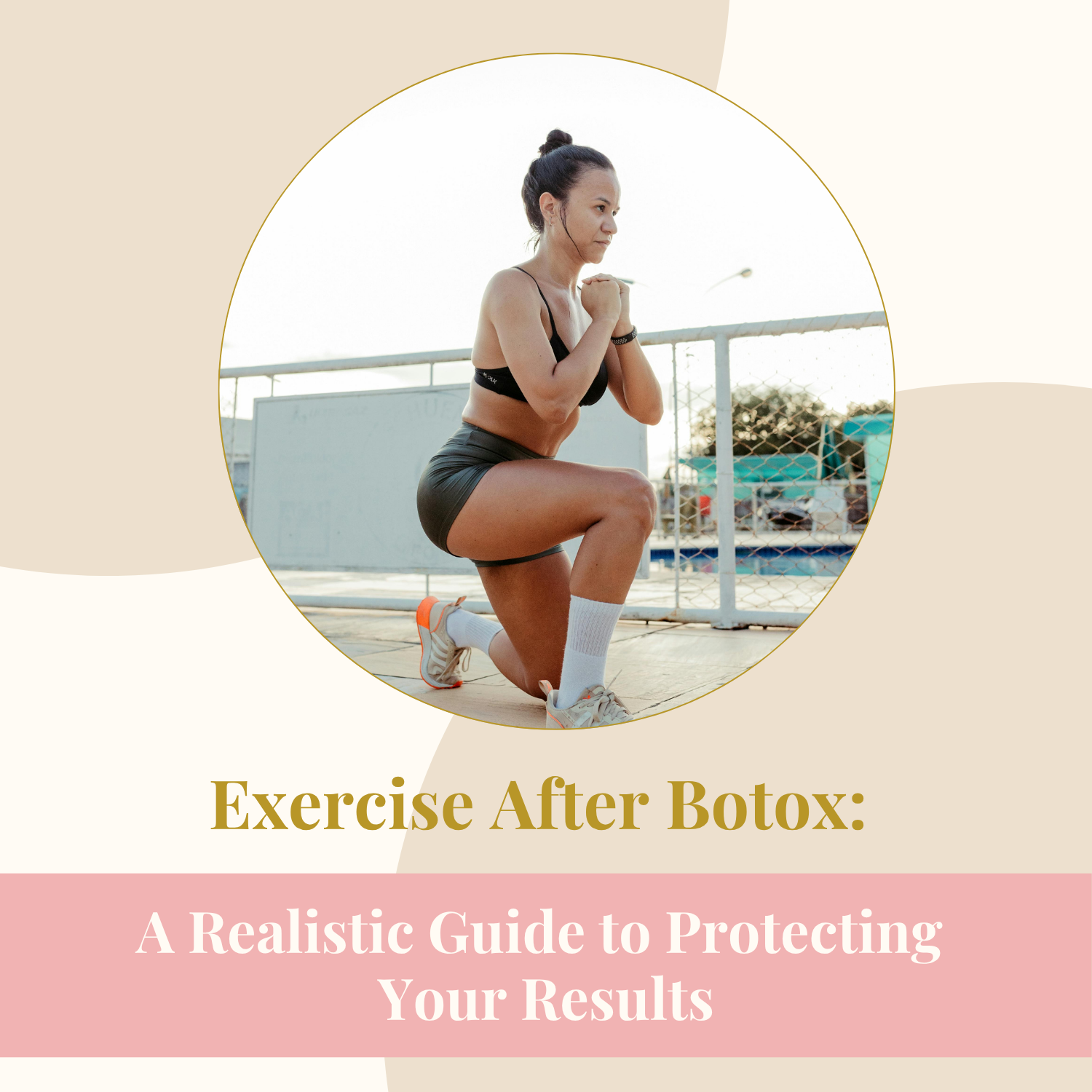
Exercising After Botox: What You Need to Know
Wondering whether you can work out after Botox? The short answer: give it 24 hours. Intense exercise, heat, sweating, and pressure can shift the product before it settles, which may affect your final results. Light activities like walking, errands, or desk work are perfectly fine—just keep your head upright and avoid anything strenuous. After the first day, ease back in gradually and return to your normal routine by day four. Highly active individuals may notice results wear off a bit faster, so staying consistent with treatments is key. For personalized aftercare guidance and naturally refreshed results, trust the experts at Get Tox’d. Book your consultation and protect your glow with confidence.
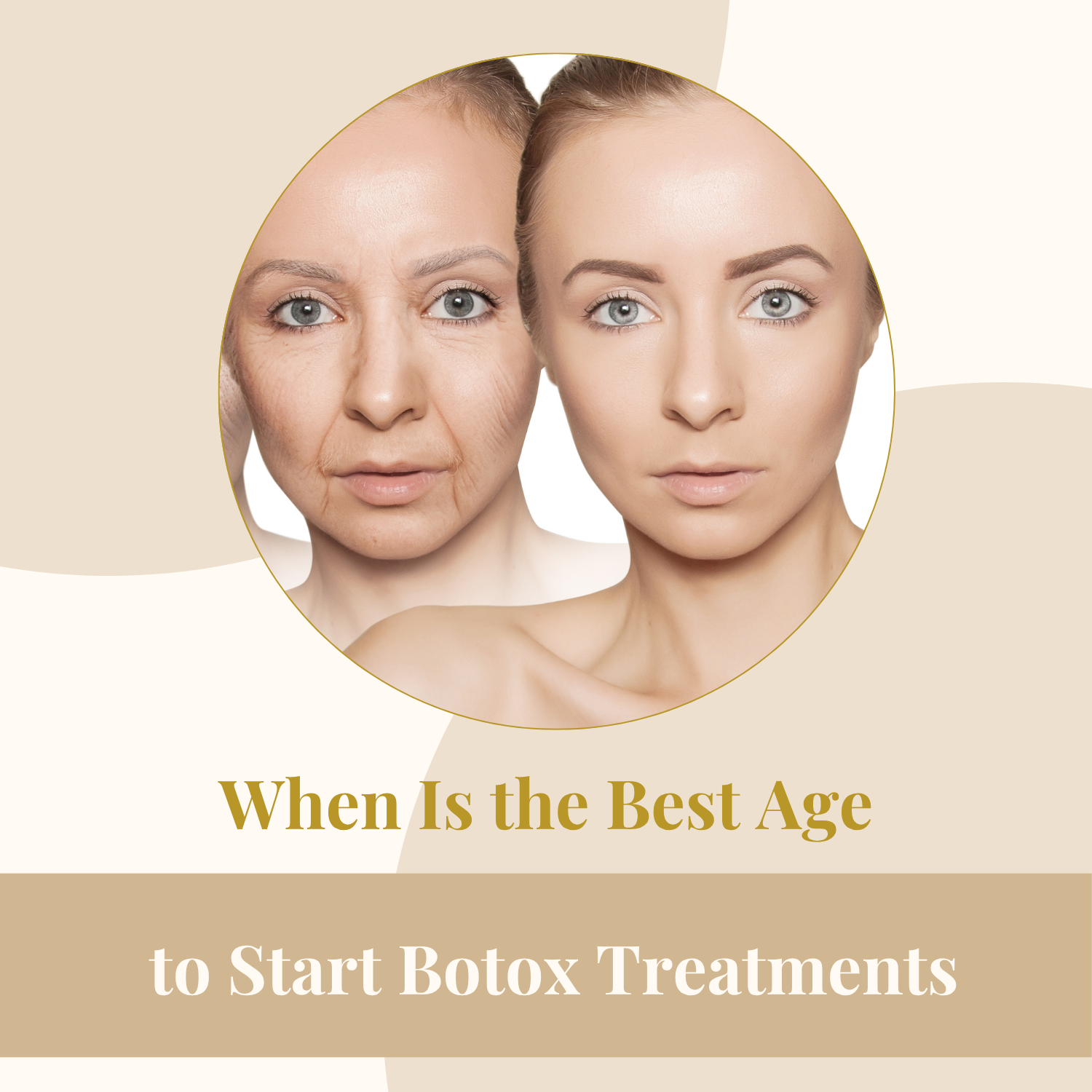
When Is the Best Age to Start Botox Treatments
There’s no universal “right age” to start Botox—it’s all about your skin, your expressions, and your long-term goals. Some people begin a preventative approach in their late 20s or early 30s to slow the formation of fine lines, while others choose a corrective strategy in their 40s and beyond to soften wrinkles that have already settled in. Understanding your wrinkle type, genetics, lifestyle, and facial movement patterns helps determine the ideal timing. Preventative Botox uses light, strategic dosing to relax overactive muscles before lines become permanent, while corrective Botox focuses on smoothing existing static wrinkles for a refreshed, natural look. Whether you’re starting early or addressing signs of aging later on, personalized guidance makes all the difference. For expert support and results that evolve with your goals, trust Get Tox’d to help you build a treatment plan that keeps you looking naturally smooth and confident at any age.

8 Best Treatment for Crow's Feet Options in 2025
There’s no universal “right age” to start Botox—it depends on your skin, your expressions, and how you want to age over time. Some people begin a preventative approach in their late 20s or early 30s to slow the formation of dynamic lines, while others start in their 40s or beyond to soften wrinkles that have already settled in. Preventative Botox uses light, strategic dosing to relax overactive muscles before lines become permanent, while corrective treatment focuses on smoothing static wrinkles for a refreshed, natural look. Genetics, lifestyle, sun exposure, and even your facial expressions all influence the perfect timing for you. Whether you’re aiming to prevent lines early or enhance your features later in life, personalized guidance is key. For expert recommendations and natural, confidence-boosting results, trust Get Tox’d to design a Botox plan tailored to your goals.
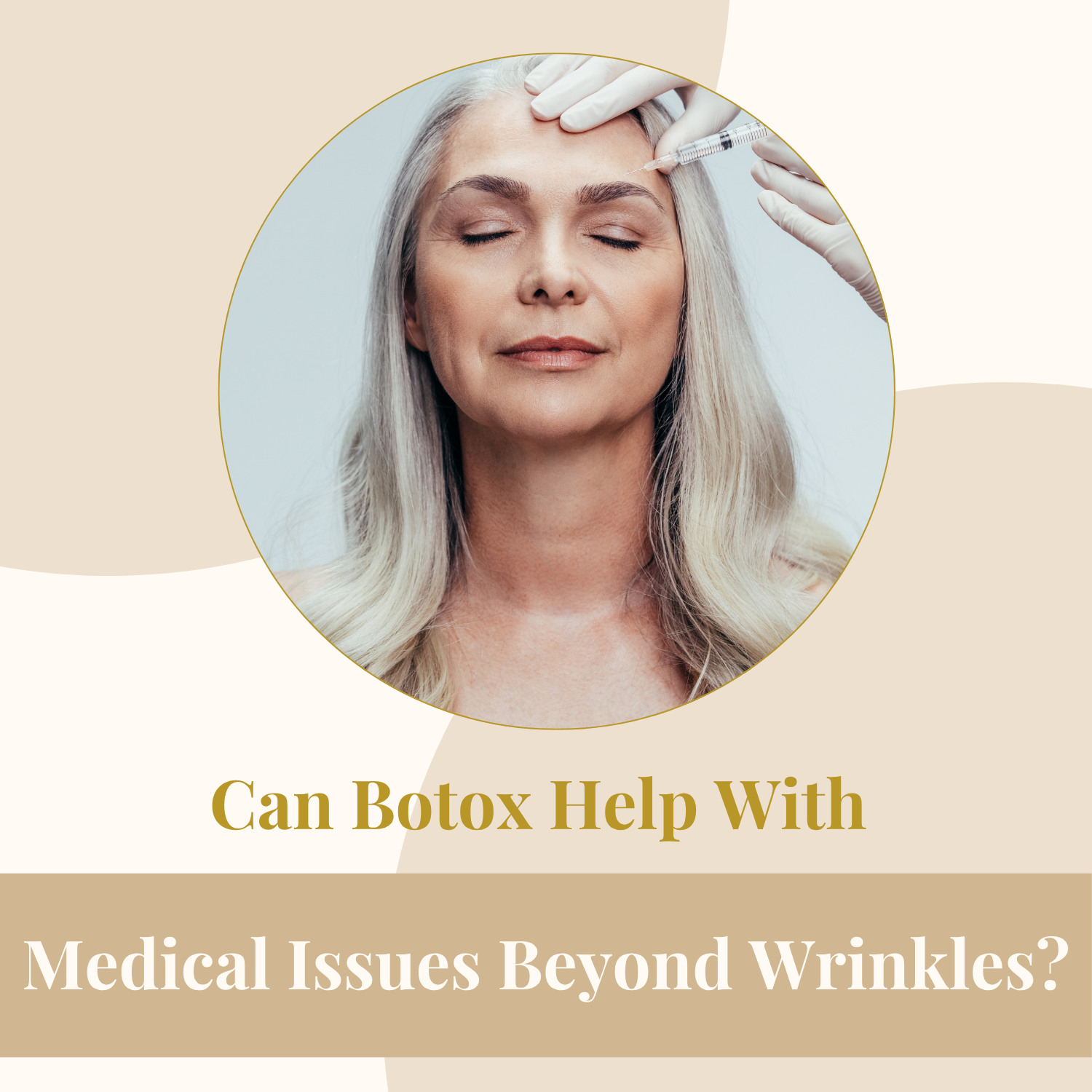
Can Botox Help With Medical Issues Beyond Wrinkles?
Botox isn’t just for smoothing lines—it also plays a powerful role in modern medicine. Beyond cosmetic benefits, it’s FDA-approved to help manage chronic migraines, cervical dystonia, hyperhidrosis, and certain eye conditions like strabismus and blepharospasm. By relaxing overactive muscles and blocking specific nerve signals, Botox can ease pain, reduce muscle spasms, control excessive sweating, and improve daily comfort for people with these conditions. Ongoing research also shows promising results for off-label uses such as TMJ disorders, depression, and post-stroke spasticity. With minimal downtime and months of relief, Botox has become a trusted, non-surgical option that can make a real difference in quality of life. If you’re curious whether medical Botox could help you, the trained providers at Get Tox’d are here to guide you through your options.
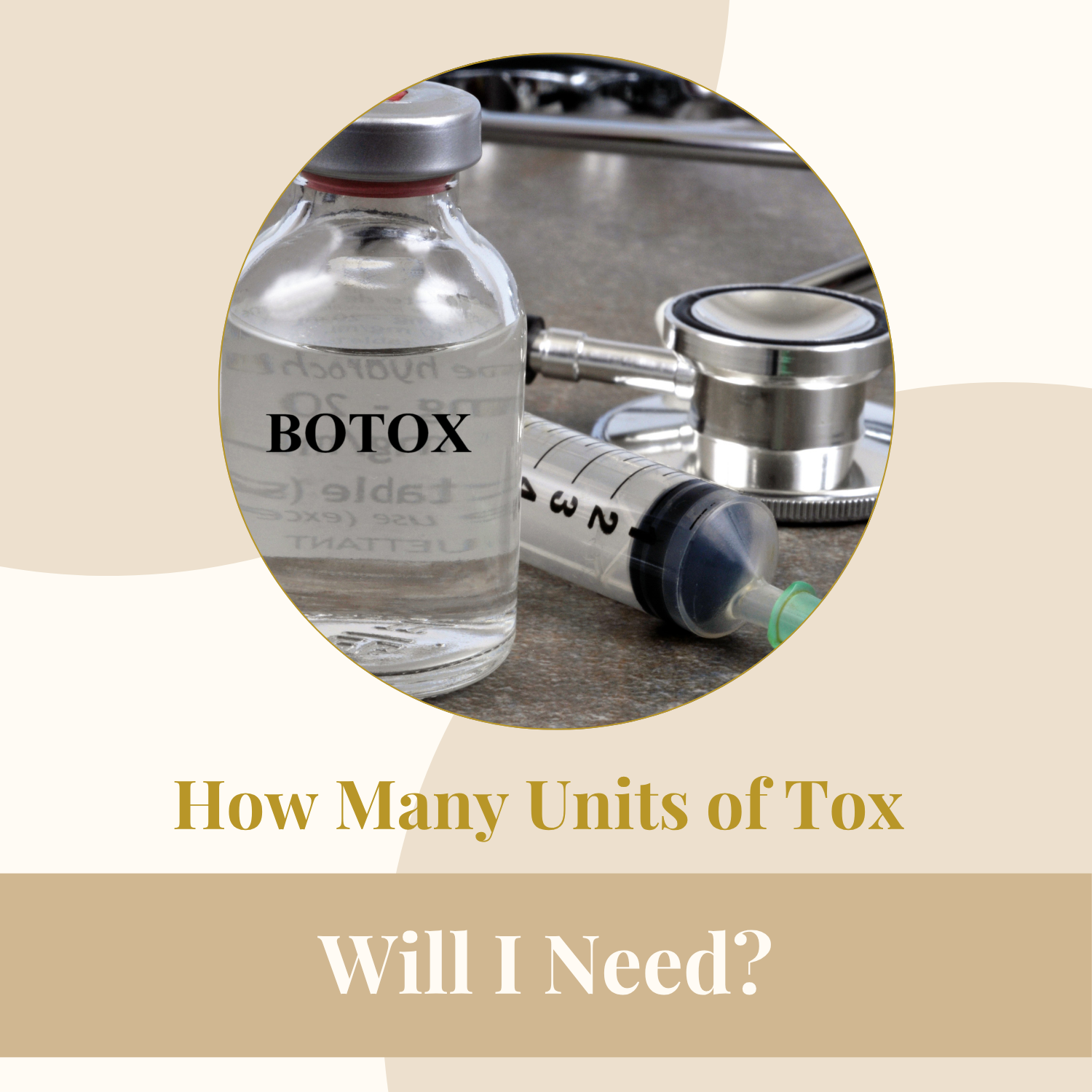
How Many Units of Tox Will I Need?
“How many units do I need?” is one of the most common questions people have about Botox—but the truth is, the right amount depends entirely on your unique facial anatomy, muscle strength, lifestyle, and goals. Two people with the same concern can need completely different treatment plans, which is why a personalized consultation matters far more than a standard chart. During your assessment, your injector evaluates how your muscles move, where your lines form, and the level of movement you want to keep, then creates a plan tailored just for you. At Get Tox’d, you’ll never stress about unit counts—we charge a simple flat rate per area, so your injector can use exactly what you need for natural, balanced, long-lasting results. Ready to discover the right plan for your face? Book your consultation and let us design a treatment that keeps you looking refreshed and confident.
Long-Term Effects of Getting Botox: What You Need to Know
Botox isn’t just about quick results—it’s a long-term strategy for smoother skin, prevention, and aging gracefully. With consistent treatments, muscles stay relaxed, lines form more slowly, and fine wrinkles soften before they ever become permanent. Many people start in their late 20s or early 30s for preventative benefits, and over time, this steady approach creates a naturally refreshed look that never feels overdone. Regular maintenance every 3–4 months helps results build on each other, keeping your skin smooth and expressive while supporting confident, graceful aging. Long-term Botox use is considered very safe when performed by trained medical providers, making it a reliable option for anyone wanting subtle, lasting improvements. If you’re ready to experience the benefits of consistent care, Get Tox’d can help you build a personalized plan that fits your goals.
What Happens When You Stop Botox?
Wondering what really happens when you stop Botox? The good news is that nothing “bad” happens to your skin. Your wrinkles don’t suddenly worsen, your face doesn’t age faster, and there’s no rebound effect. Your look simply returns to its natural state as your muscles slowly regain movement over 3–5 months. The lines you had before will gradually reappear, but they won’t be deeper or more dramatic than they were originally. In fact, consistent treatments help prevent deeper creases, so stopping later still leaves you better off than if you’d never started. Aging continues at its normal pace based on factors like sun exposure, lifestyle, and collagen loss—not Botox. Whether you take a break or maintain a routine, your skin transitions naturally. If you ever want guidance on restarting, Get Tox’d is here to help you plan the right approach for your goals.
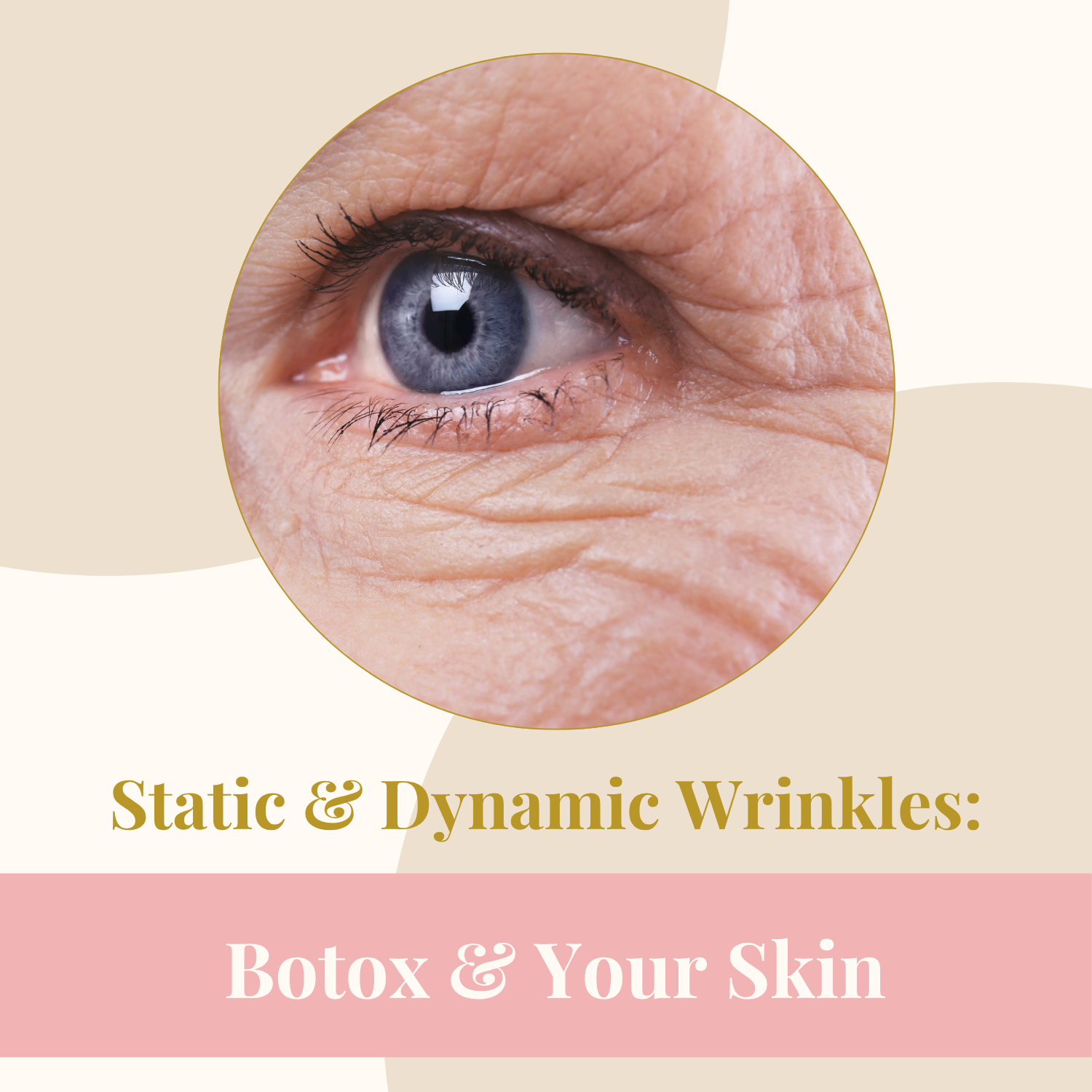
Static & Dynamic Wrinkles: Botox & Your Skin
Learn the difference between static and dynamic wrinkles and how Botox helps address each type. This overview explains why dynamic lines respond so well to muscle-relaxing treatments, why static wrinkles require additional skin-focused therapies, and how pairing Botox with options like microneedling, IPL, or Fraxel creates smoother, healthier, more youthful-looking skin. If you’re starting Botox or exploring age-preventive treatments, this guide breaks down how a combined approach delivers the most natural, long-lasting results.