

Botox vs Xeomin? How to Choose the Right Treatment for You
Thinking about getting Botox or Xeomin but not sure which one is right for you? At Get Tox’d, we make it simple. Our latest blog breaks down the key differences between both treatments and explains how our expert injectors use the Tox’d Technique to deliver smooth, natural-looking results every time.
With affordable flat-rate pricing, personalized consultations, and medically trained providers, Get Tox’d is Houston’s go-to destination for confident, refreshed results.
How Is the Tox’d Technique Changing Nurse Botox Training?
Aesthetic medicine is where science, skill, and artistry come together — and at Get Tox’d, we’re redefining how Nurse Practitioners learn and master the craft.
In Mastering the Art of Aesthetics: How the Tox’d Technique Is Redefining Botox Training for Nurse Practitioners, we explore how the Tox’d Technique sets a new gold standard in injector education. This structured, science-based method goes beyond traditional Botox certification to combine deep anatomical knowledge, precision, and safety with personalized patient care.
Whether you’re an NP ready to transition into aesthetics or a patient curious about what makes Get Tox’d different, this blog breaks down how proper training transforms confidence, results, and careers.
How to Become Botox Certified and Why the Tox’d Technique Sets the Standard
Discover how medical professionals become Botox certified and why the advanced Tox’d Technique—created by the expert team at Get Tox’d—is redefining standards in aesthetic training. Becoming certified involves understanding state regulations, completing hands-on training with live models, mastering facial anatomy, and prioritizing patient safety. At Get Tox’d, injectors learn far beyond basic injection skills. The exclusive Tox’d Technique emphasizes precise anatomy knowledge, personalized assessments, advanced dosing strategy, and strict safety protocols to deliver natural, expressive, and consistent results. Whether you’re a provider seeking elite-level training or a patient wanting expert injectors who follow a proven, science-driven method, Get Tox’d sets the bar for excellence in modern aesthetics. Explore our training programs and elevate your career in aesthetic medicine today.
Exercising After Botox: What You Need to Know
Wondering whether you can work out after Botox? The short answer: give it 24 hours. Intense exercise, heat, sweating, and pressure can shift the product before it settles, which may affect your final results. Light activities like walking, errands, or desk work are perfectly fine—just keep your head upright and avoid anything strenuous. After the first day, ease back in gradually and return to your normal routine by day four. Highly active individuals may notice results wear off a bit faster, so staying consistent with treatments is key. For personalized aftercare guidance and naturally refreshed results, trust the experts at Get Tox’d. Book your consultation and protect your glow with confidence.
When Is the Best Age to Start Botox Treatments
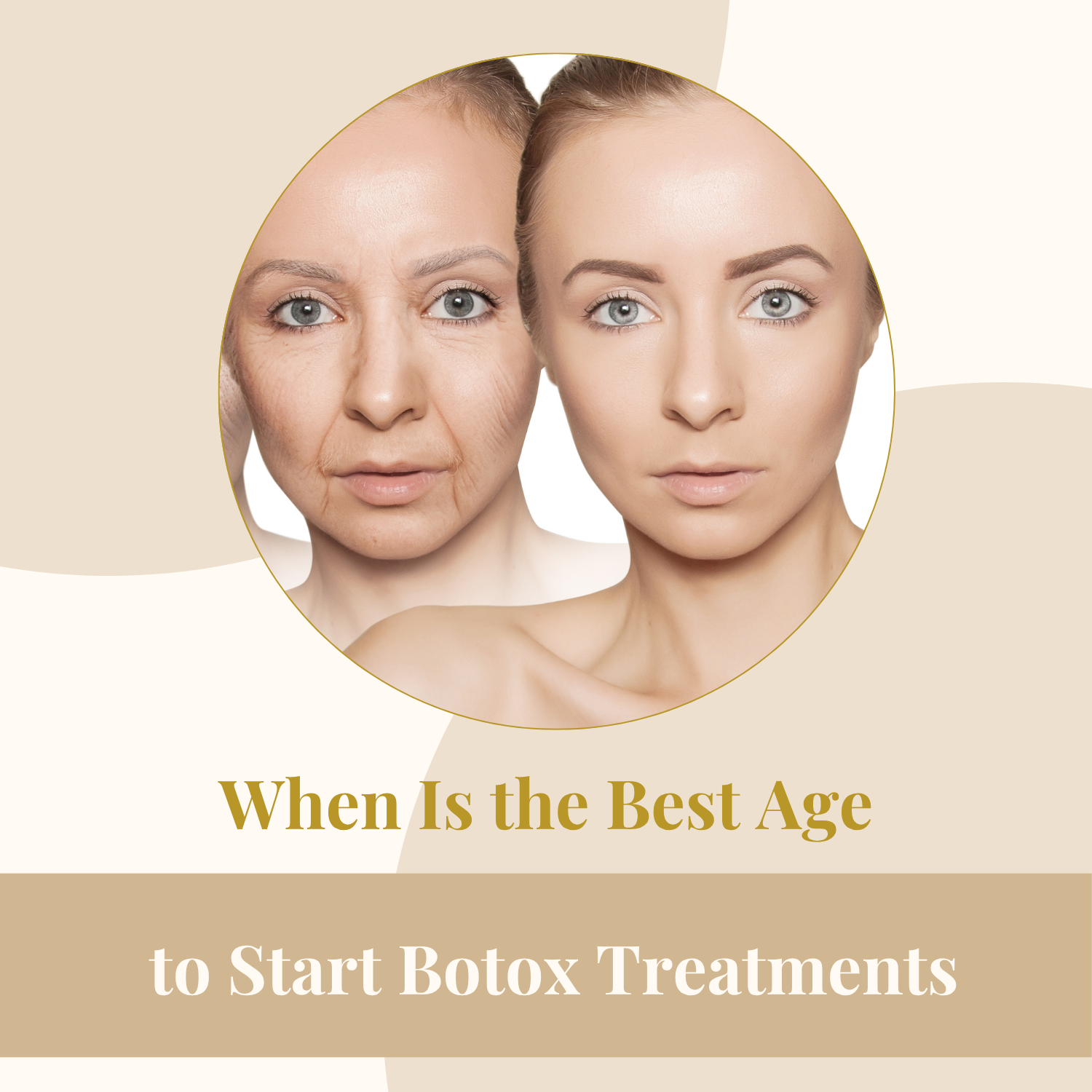
There’s no universal “right age” to start Botox—it’s all about your skin, your expressions, and your long-term goals. Some people begin a preventative approach in their late 20s or early 30s to slow the formation of fine lines, while others choose a corrective strategy in their 40s and beyond to soften wrinkles that have already settled in. Understanding your wrinkle type, genetics, lifestyle, and facial movement patterns helps determine the ideal timing. Preventative Botox uses light, strategic dosing to relax overactive muscles before lines become permanent, while corrective Botox focuses on smoothing existing static wrinkles for a refreshed, natural look. Whether you’re starting early or addressing signs of aging later on, personalized guidance makes all the difference. For expert support and results that evolve with your goals, trust Get Tox’d to help you build a treatment plan that keeps you looking naturally smooth and confident at any age.

8 Best Treatment for Crow's Feet Options in 2025
There’s no universal “right age” to start Botox—it depends on your skin, your expressions, and how you want to age over time. Some people begin a preventative approach in their late 20s or early 30s to slow the formation of dynamic lines, while others start in their 40s or beyond to soften wrinkles that have already settled in. Preventative Botox uses light, strategic dosing to relax overactive muscles before lines become permanent, while corrective treatment focuses on smoothing static wrinkles for a refreshed, natural look. Genetics, lifestyle, sun exposure, and even your facial expressions all influence the perfect timing for you. Whether you’re aiming to prevent lines early or enhance your features later in life, personalized guidance is key. For expert recommendations and natural, confidence-boosting results, trust Get Tox’d to design a Botox plan tailored to your goals.
Can Botox Help With Medical Issues Beyond Wrinkles?
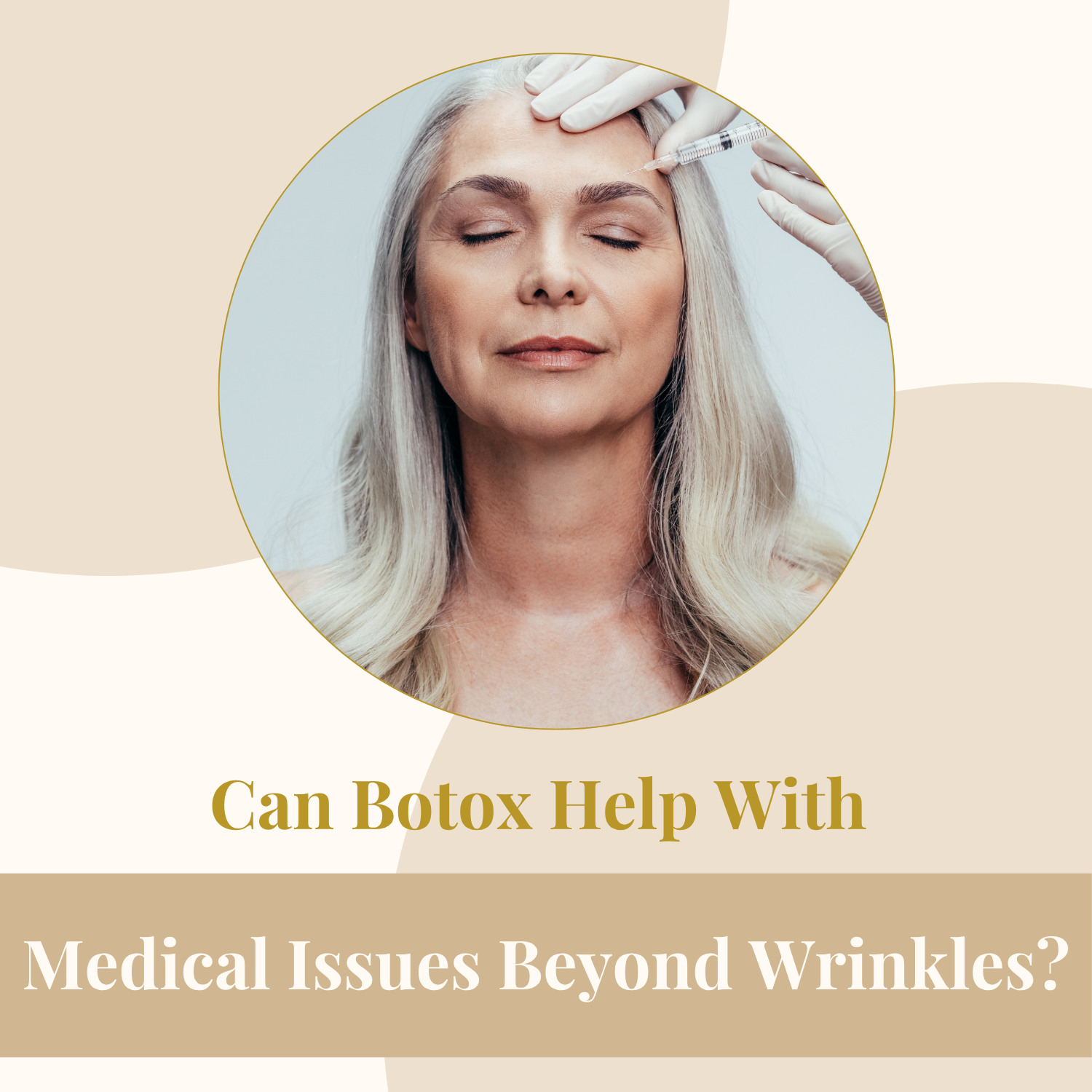
Botox isn’t just for smoothing lines—it also plays a powerful role in modern medicine. Beyond cosmetic benefits, it’s FDA-approved to help manage chronic migraines, cervical dystonia, hyperhidrosis, and certain eye conditions like strabismus and blepharospasm. By relaxing overactive muscles and blocking specific nerve signals, Botox can ease pain, reduce muscle spasms, control excessive sweating, and improve daily comfort for people with these conditions. Ongoing research also shows promising results for off-label uses such as TMJ disorders, depression, and post-stroke spasticity. With minimal downtime and months of relief, Botox has become a trusted, non-surgical option that can make a real difference in quality of life. If you’re curious whether medical Botox could help you, the trained providers at Get Tox’d are here to guide you through your options.
What Is the Tox’d Technique?
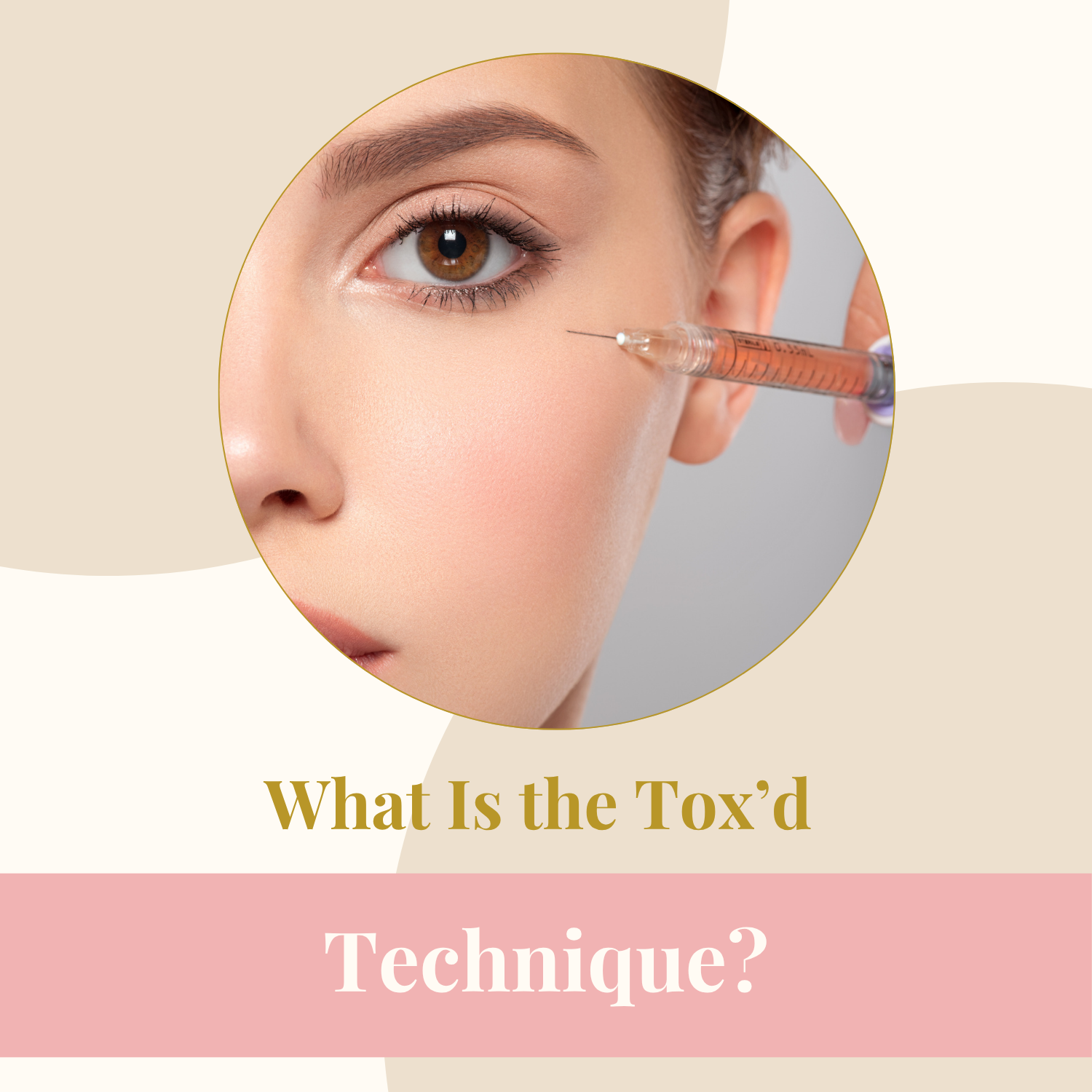
Great Botox results don’t come from the product alone—they come from the technique behind it. That’s why every provider at Get Tox’d is trained in the Tox’d Technique, a science-driven system built on facial anatomy, safety, and advanced injection skills. By studying how muscles move and how each face uniquely ages, our injectors create customized treatment plans that look natural, never frozen. The Tox’d Technique ensures precise dosing, consistent placement, and strict safety standards, giving you smooth, expressive results you can trust. It also extends beyond cosmetic goals, with training for medical applications like hyperhidrosis. When you choose Get Tox’d, you’re choosing expert care, consistent results, and a treatment experience rooted in education, precision, and patient-first values. Book your appointment to experience the Tox’d Technique for yourself.
How Many Units of Tox Will I Need?
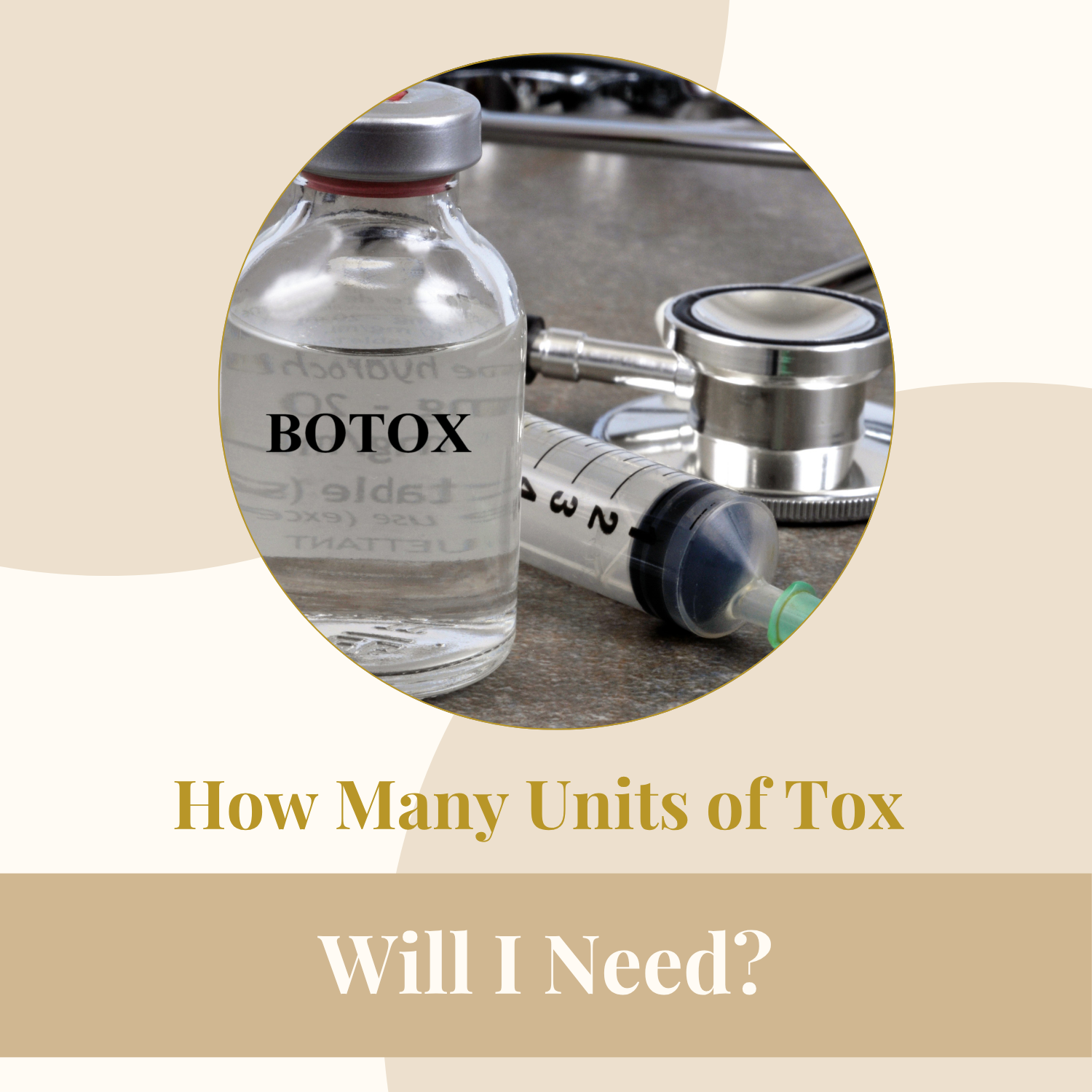
“How many units do I need?” is one of the most common questions people have about Botox—but the truth is, the right amount depends entirely on your unique facial anatomy, muscle strength, lifestyle, and goals. Two people with the same concern can need completely different treatment plans, which is why a personalized consultation matters far more than a standard chart. During your assessment, your injector evaluates how your muscles move, where your lines form, and the level of movement you want to keep, then creates a plan tailored just for you. At Get Tox’d, you’ll never stress about unit counts—we charge a simple flat rate per area, so your injector can use exactly what you need for natural, balanced, long-lasting results. Ready to discover the right plan for your face? Book your consultation and let us design a treatment that keeps you looking refreshed and confident.
Long-Term Effects of Getting Botox: What You Need to Know
Botox isn’t just about quick results—it’s a long-term strategy for smoother skin, prevention, and aging gracefully. With consistent treatments, muscles stay relaxed, lines form more slowly, and fine wrinkles soften before they ever become permanent. Many people start in their late 20s or early 30s for preventative benefits, and over time, this steady approach creates a naturally refreshed look that never feels overdone. Regular maintenance every 3–4 months helps results build on each other, keeping your skin smooth and expressive while supporting confident, graceful aging. Long-term Botox use is considered very safe when performed by trained medical providers, making it a reliable option for anyone wanting subtle, lasting improvements. If you’re ready to experience the benefits of consistent care, Get Tox’d can help you build a personalized plan that fits your goals.
Upper Face Tox vs. Baby Botox: What’s the Difference?
Choosing between Upper Face Tox and Baby Botox comes down to how much smoothing you want and how strong your muscles are. Both treatments use FDA-approved options like Botox, Xeomin, or Dysport, but they differ in dosage, treatment areas, and overall results. Upper Face Tox targets the three main zones where wrinkles form—forehead lines, frown lines, and crow’s feet—using a full treatment approach for maximum smoothing that lasts 3–4 months. Baby Botox uses smaller doses for a softer, more natural look that keeps more movement while still preventing lines from deepening. It’s a favorite for younger clients, first-timers, or anyone wanting subtle, budget-friendly results. Whether you want dramatic smoothing or gentle prevention, Get Tox’d can guide you toward the option that fits your goals. Book your consultation and discover the best match for your face.
What Happens When You Stop Botox?
Wondering what really happens when you stop Botox? The good news is that nothing “bad” happens to your skin. Your wrinkles don’t suddenly worsen, your face doesn’t age faster, and there’s no rebound effect. Your look simply returns to its natural state as your muscles slowly regain movement over 3–5 months. The lines you had before will gradually reappear, but they won’t be deeper or more dramatic than they were originally. In fact, consistent treatments help prevent deeper creases, so stopping later still leaves you better off than if you’d never started. Aging continues at its normal pace based on factors like sun exposure, lifestyle, and collagen loss—not Botox. Whether you take a break or maintain a routine, your skin transitions naturally. If you ever want guidance on restarting, Get Tox’d is here to help you plan the right approach for your goals.
What’s Included in a Touch-Up Appointment at Get Tox’d?
Touch-up appointments are a key part of achieving balanced, natural, and long-lasting results, which is why they’re included with almost every treatment at Get Tox’d. Since neurotoxins take time to activate and reach their peak effect, follow-ups between days 10–21 ensure your injector can evaluate how your results have settled before making any refinements. During this visit, your provider checks symmetry, reviews photos, answers questions, and adds any additional product needed at no extra charge. After 21 days, your tox cycle is already established, meaning additional units would mature at different times and create uneven results—plus frequent add-ons can contribute to developing a tolerance. Touch-ups help maintain consistency, prevent mismatched muscle recovery, and support smoother, more predictable outcomes. If your initial session didn’t take, your injector will assess potential causes like aftercare issues or product resistance and guide you through next steps. These follow-ups are part of Get Tox’d commitment to transparency, quality, and results that look naturally refreshed.
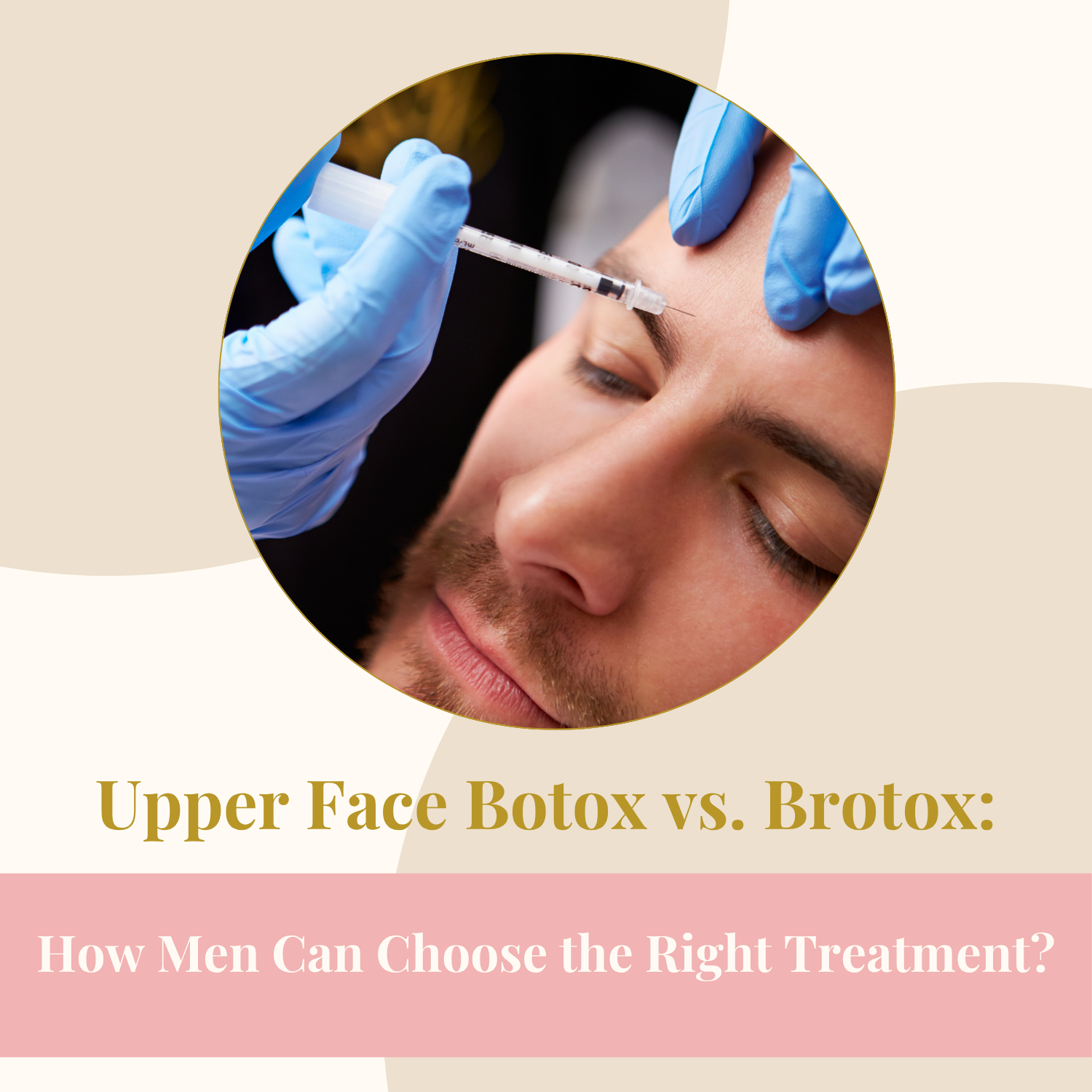
Upper Face Botox vs. Brotox: How Men Can Choose the Right Treatment?
More men than ever are choosing injectables to stay sharp, confident, and refreshed—and two of the most popular options are Upper Face Botox and Brotox. Upper Face Botox targets the forehead, frown lines, and crow’s feet to soften visible aging while keeping your expressions natural. Brotox, on the other hand, is a treatment customized specifically for men, taking into account stronger muscles, thicker skin, and masculine facial structure. It often uses adjusted dosing and injection patterns to refine your appearance without softening your features too much.
Upper Face Botox is great if you want a straightforward treatment that addresses the most common aging areas. Brotox is best when you want a fully tailored approach designed for male anatomy and aesthetic goals. Both options help you maintain a refreshed, confident look without appearing “done.”
Not sure which is right for you? A one-on-one consultation with Get Tox’d will help determine the perfect treatment based on your structure, lifestyle, and goals.
Tox Timing: Your Complete Botox Timeline
Botox works on a predictable rhythm, and knowing the timeline helps you plan perfectly for events, photos, or simply keeping your look consistently smooth. Right after treatment, results aren’t instant — the product needs time to bind to the nerves and relax the targeted muscles. Subtle changes start in the first few days, with visible smoothing showing by days 4–7. Your full “wow” moment happens between days 10–14, when lines are at their softest and your skin looks refreshed and natural. From there, results stay steady for 3–12 weeks before gradually fading around the 3–4 month mark as muscle movement returns.
For big events, the ideal window is to book your appointment 2–3 weeks beforehand so full results settle in and any small adjustments can be made at follow-up. Understanding this rhythm lets you time your treatments strategically and stay effortlessly confident. If you're ready to plan your next session, Get Tox’d is here to help you look incredible for every moment that matters.
What is the Difference Between Xeomin, Botox and Dysport
Discover the key differences between Xeomin, Botox, and Dysport, and learn why many providers — including Get Tox’d — consider Xeomin the cleaner, more consistent choice for natural, long-lasting results. This overview breaks down how each treatment works, the science behind Xeomin’s additive-free formulation, and why patients appreciate its faster onset, precision, and reduced risk of resistance. If you’re exploring injectable options for smoother, refreshed skin, this comparison highlights what sets Xeomin apart and why it may be the ideal option for reliable, natural-looking outcomes..
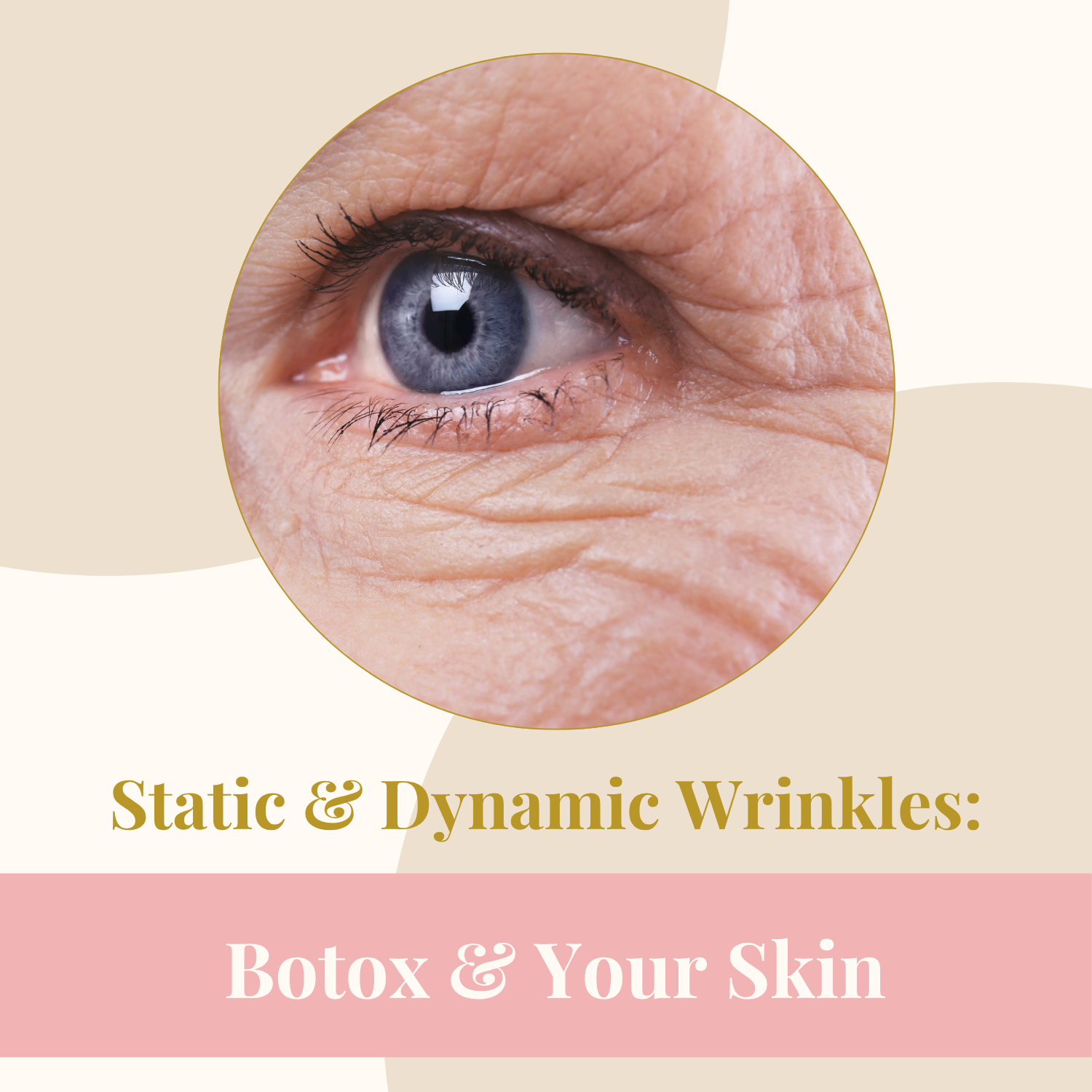
Static & Dynamic Wrinkles: Botox & Your Skin
Learn the difference between static and dynamic wrinkles and how Botox helps address each type. This overview explains why dynamic lines respond so well to muscle-relaxing treatments, why static wrinkles require additional skin-focused therapies, and how pairing Botox with options like microneedling, IPL, or Fraxel creates smoother, healthier, more youthful-looking skin. If you’re starting Botox or exploring age-preventive treatments, this guide breaks down how a combined approach delivers the most natural, long-lasting results.
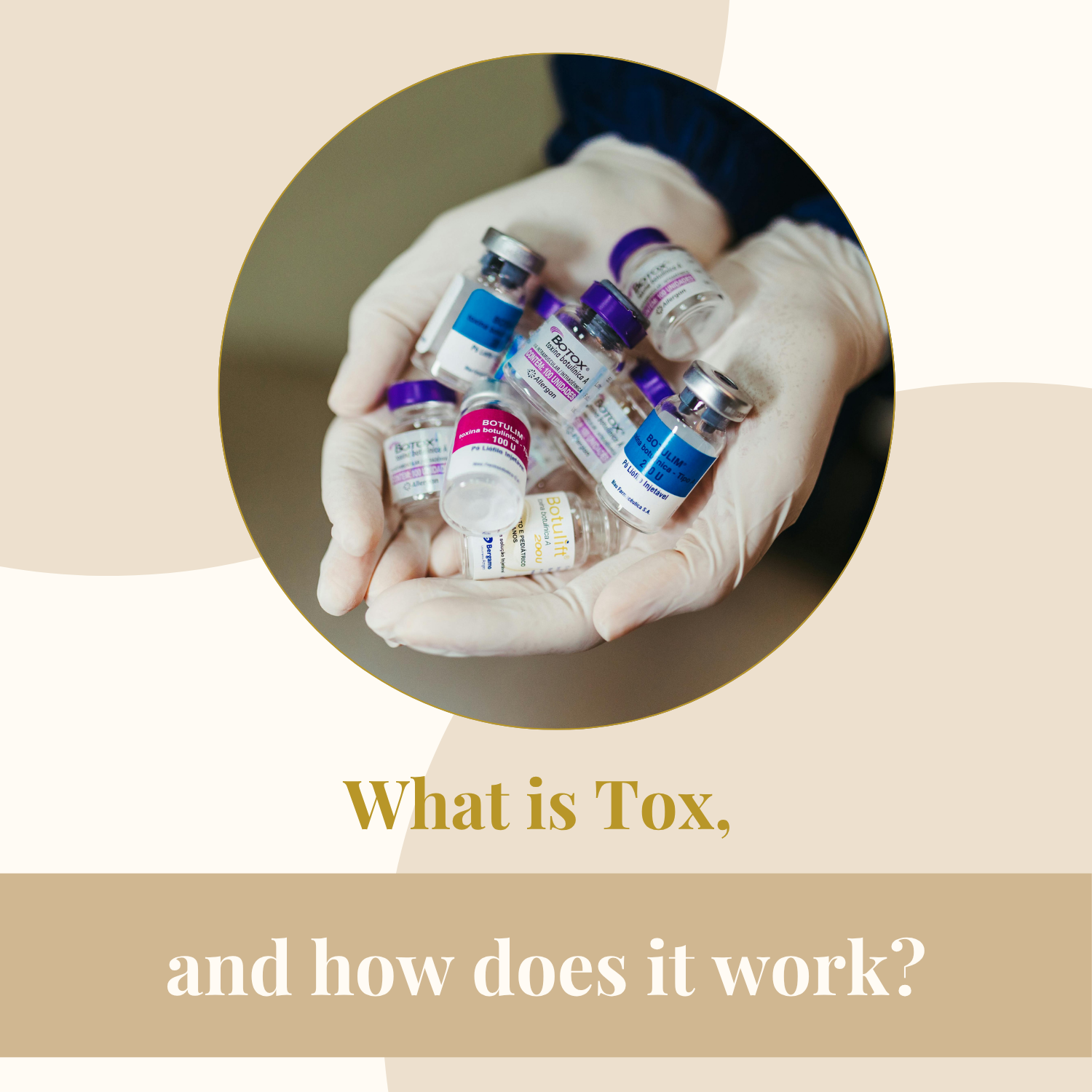
What is Tox, and how does it work?
Explore the real differences between Botox, Dysport, and Xeomin with a clear, science-based breakdown of how each wrinkle relaxer works. This guide explains what all three toxins have in common, how their formulations affect onset, diffusion, and longevity, and which option may best suit your goals — whether you want fast results, a cleaner formula, or classic predictability. You’ll also learn why injector technique matters more than the product itself and how expert placement shapes your final results. Perfect for anyone choosing their first Tox treatment or looking to optimize their results.
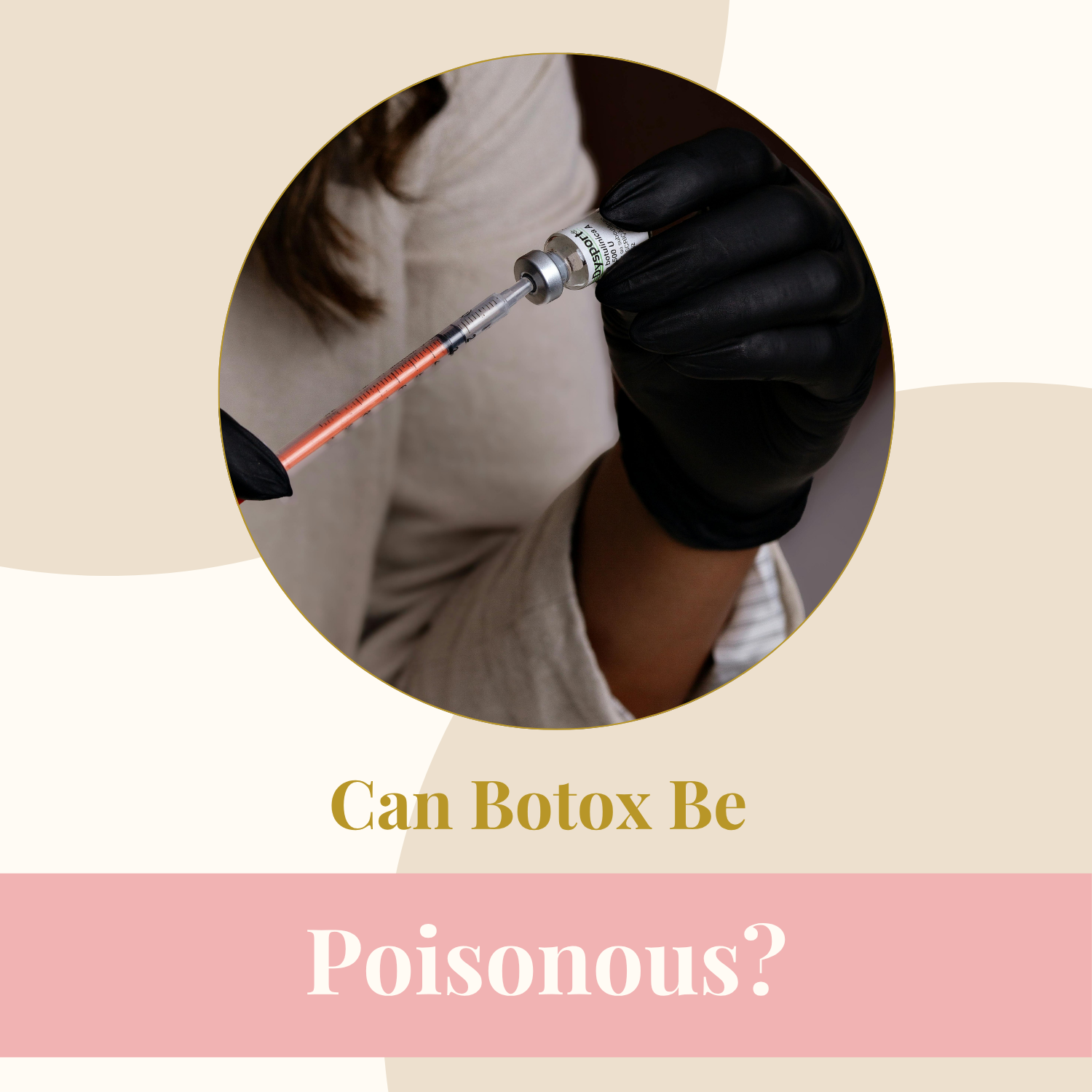
Can Botox Be Poisonous?
Curious whether Botox can be poisonous? This science-based overview explains how Botox is derived, why it’s safe in controlled medical doses, and what decades of clinical research say about its safety profile. You’ll learn the difference between the toxin in nature and the purified, micro-dosed version used in aesthetic treatments, along with the rare situations where Botox can be risky. Perfect for educating clients who want reassurance about safety and proper injection practices.
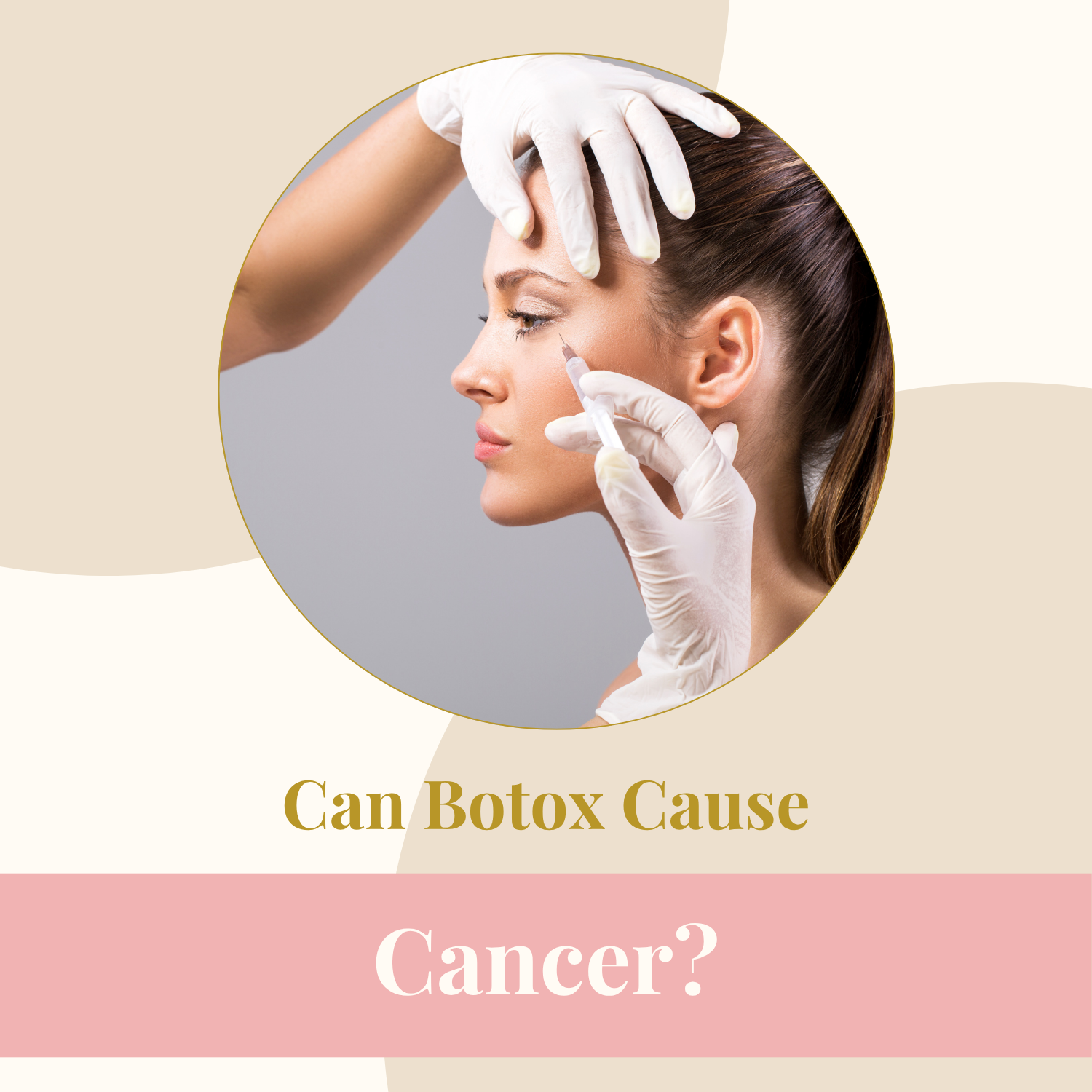
Can Botox Cause Cancer?
Learn the truth about whether Botox can cause cancer with a clear, research-backed explanation of its long-term safety. This overview breaks down what Botox is made of, how it behaves in the body, and what major studies have confirmed—there is no evidence linking Botox to cancer. With decades of FDA approval and millions of safe treatments performed worldwide, this guide helps readers feel confident, informed, and reassured about choosing Botox when administered by qualified professionals.